Oriental Rugs Dictionary
Lotto rugs
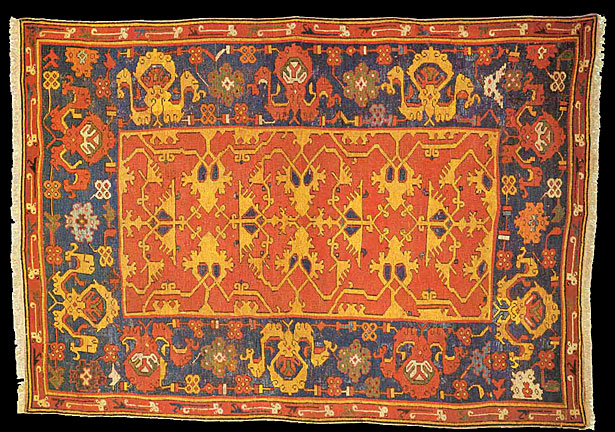
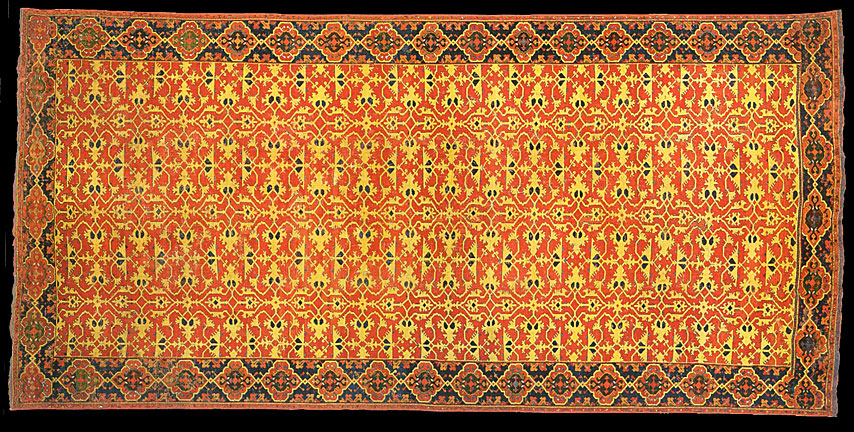
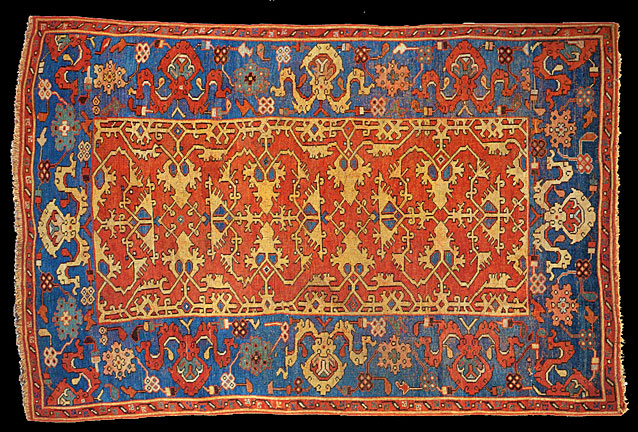
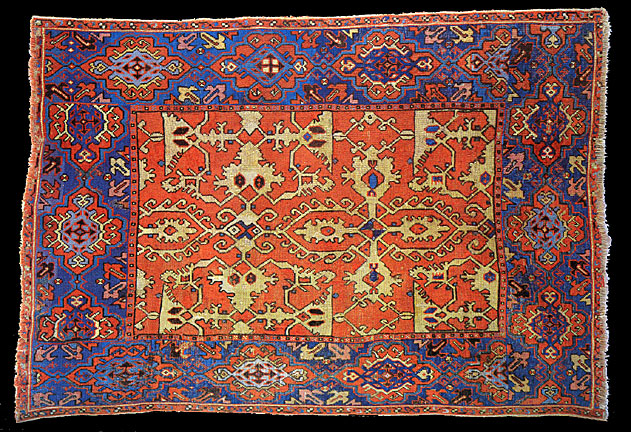
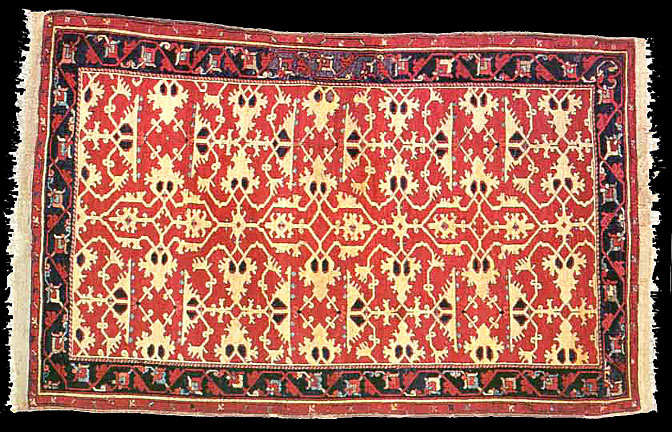
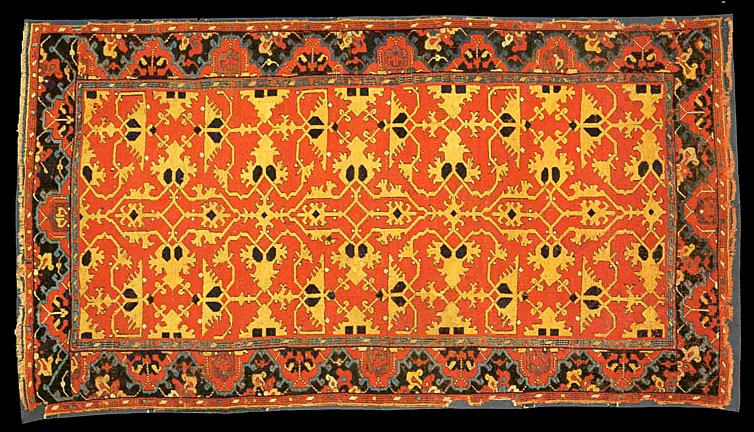
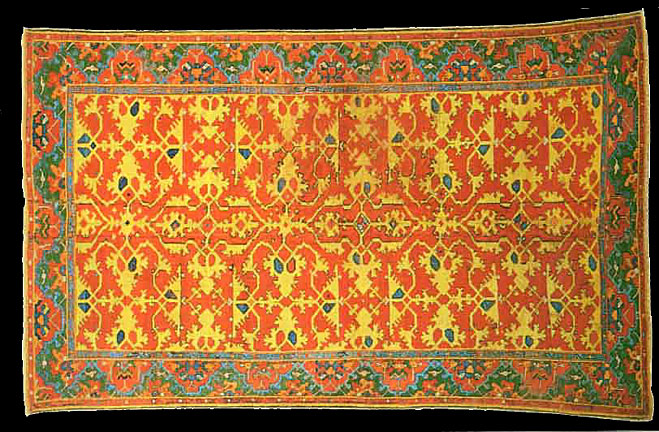
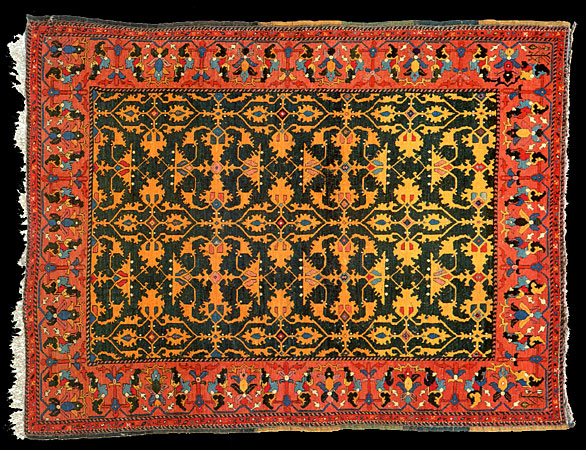
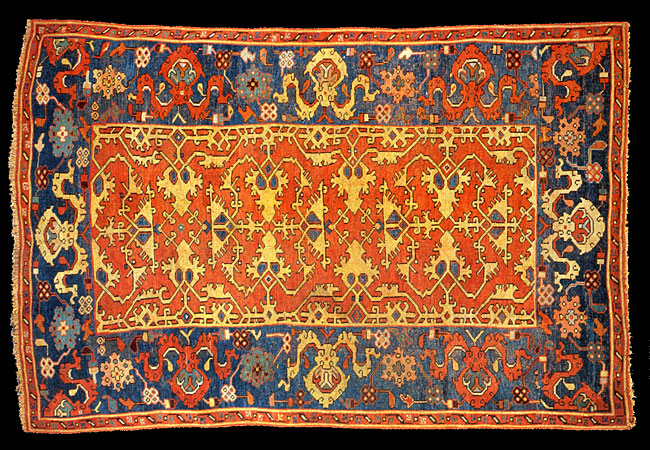
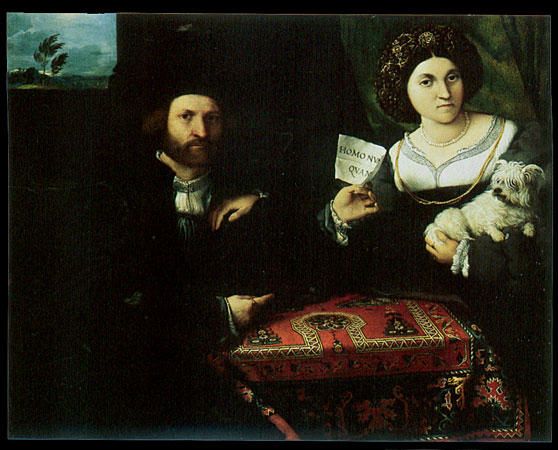
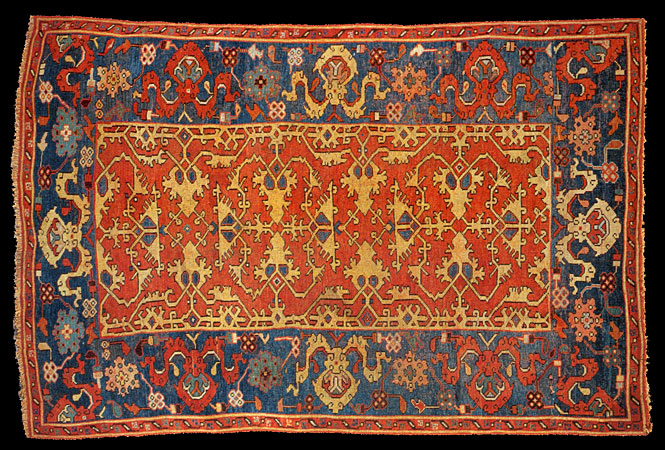
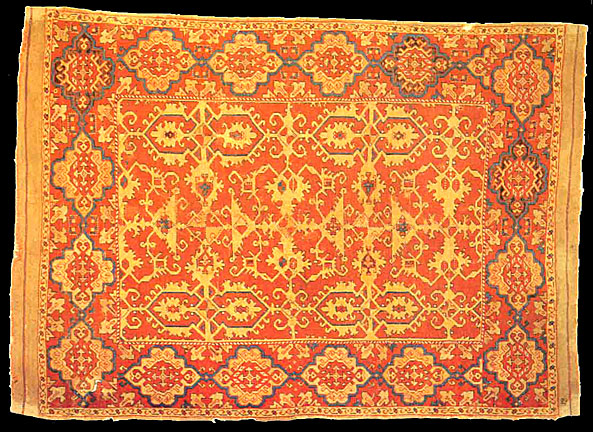
Lotto rugs are named after the Italian Renaissance painter Lorenzo Lotto, who depicted such carpets in his paintings. These carpets are part of the group known as “painter’s carpets” and originate from Anatolia (Turkey), dating primarily to the 16th and 17th centuries. They are characterized by geometric arabesque patterns arranged on a contrasting field. Named for the Venetian painter Lorenzo Lotto (1480-1556), the Lotto rugs constitutes a transitional stage between the first Ottoman period and the floral art that would dominate the rugs of the 16th and 17th Centuries. In the Lottos the field is activated by angular arabesques forming rows generally octagonal or rectangular motifs resembling grillwork. If the links between the Lotto rugs and the decorative program of the Green Mosque in Bursa are not immediately evident, just consider the system of arabesques which bifurcate and crisscross to form a rectangle. The pattern is the same in both rug and mosque. The arabesque, though created by an Islamic artist after the 7th Century conquest, did not make an appearance in Turkish carpets until the beginning of the 16th Century.