Toggle navigation
(212) 529-2200
New York
Browse
Collectibles
Caucasian
Caucasian - Kazak
Caucasian - Shirvan
Anatolian
Chinese
Turkoman
Turkoman Bag
Turkoman Main Carpet
Kilims
Anatolian Kilims
Caucasian Kilims
Soumac
Bessarabian Kilims
Persian
Persian City
Persian Tribal
Other
Recent Additions
Last 7 Days
Last 30 Days
Clearance Sale
Under $500
$500-$1,000
$1,000-$1,500
$1,500-$2,000
Tapestry
Modern Tapestry
Antique Tapestry
Art Deco
Chinese
European
Arts and Craft
Hunting Design
Pictorial
Prayer Rug
Type
Agra
Bakshaish
Baktiari
BiBi Kabad
Bidjar
Chinese
Heriz
Indian
Karabagh
Karadja
Kashan
Kazak
Khotan
Kilim
Kirman
Kurdish
NW Persia
Mahal
Malayer
Oushak
Qashqa'i
Sarouk
Serab
Sultan Abad
Tabriz
Advanced Search
Search
Our Company
About Us
Services
Inquiry
Contact Us
My Selection
×
Search
Oriental Rugs Dictionary
Home
Oriental Rugs Dictionary
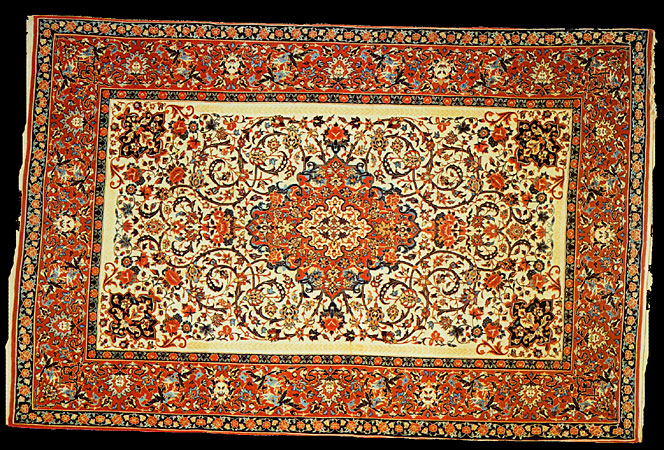
Isfahan (Isphahan, Esphahan)
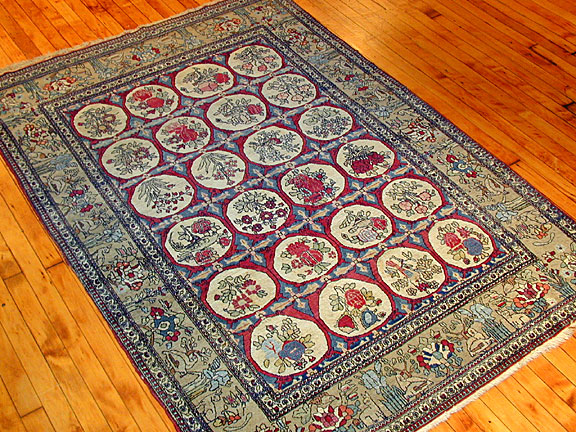
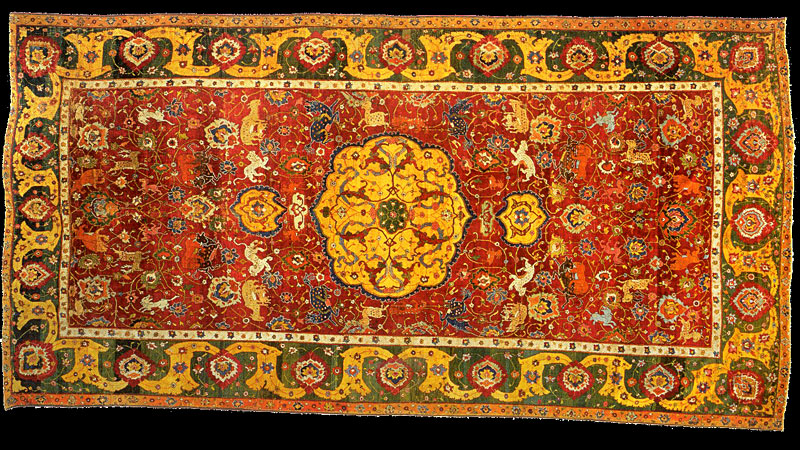
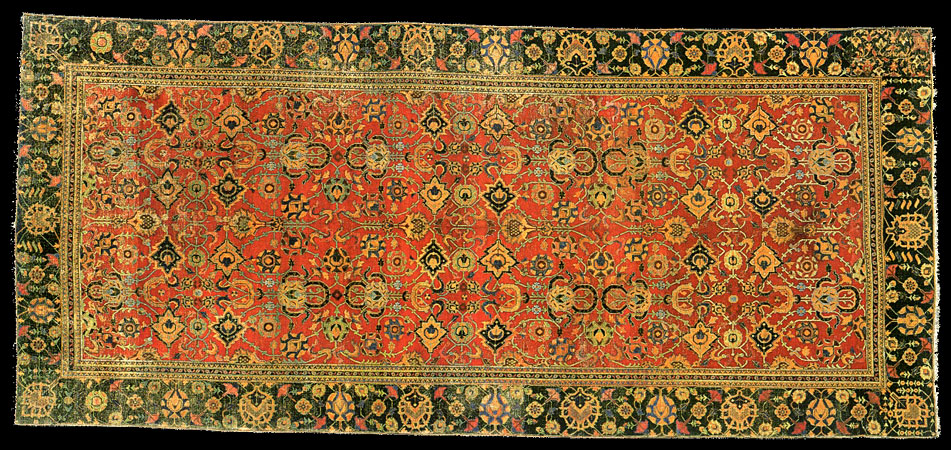
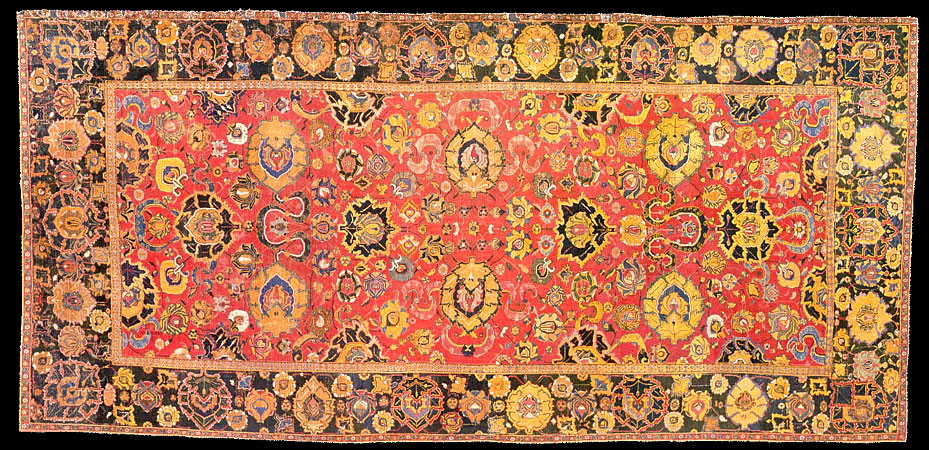
The beautiful city of Isfahan, Persia